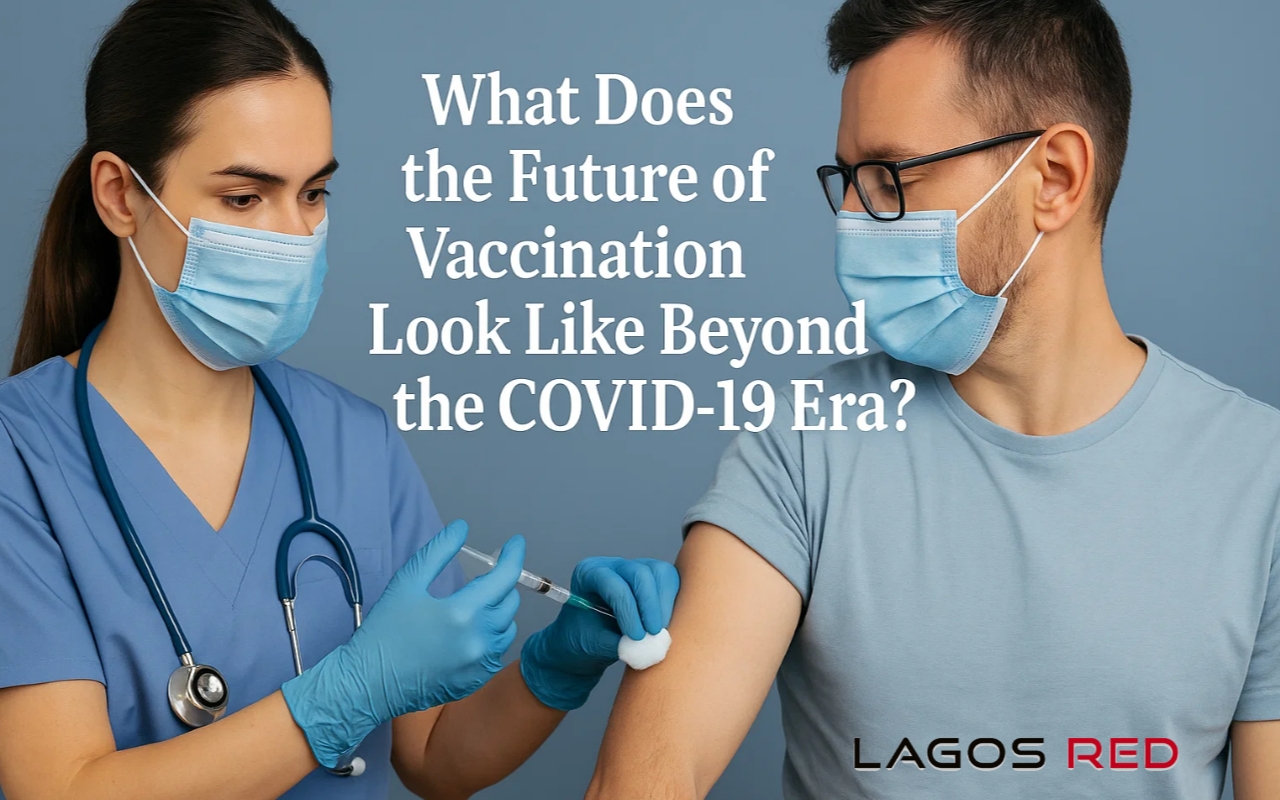
More than simply offering protection from a new virus, the enormous scientific effort behind the COVID-19 vaccines greatly changed our whole knowledge of immunization. The fast rise of mRNA platforms, the logistical dance of worldwide booster programs, and real-world data tracking have pushed vaccine science into a new era. We are now on the verge of a revolution in which lessons learnt from the epidemic are ready to change how we fight a wide spectrum of health risks ranging from common influenza strains to cancers and unusual genetic illnesses.
The issue is now how we create a society when vaccination is more customized, affordable, and effective than ever, rather than how we terminate a pandemic.
How Are mRNA Platforms Redefining the Battle Against Cancer and Other Diseases?
The technology proven on a worldwide level, rather than the virus it sought, might be the real legacy of the COVID-19 vaccination campaign. Once a hopeful but untested field, Messenger RNA (mRNA) systems are now being let loose against several of humankind’s most tenacious adversaries. Astonishing speed is being used to modify the fundamental principle—instruction for our own cells to make a protein that triggers a protective immune response.
Personalized cancer vaccines are being created by oncologists. Neoantigens, unique proteins found on a patient’s tumor cells, are meant to be attacked by these therapies. The vaccine, in effect, trains the immune system to become a very targeted cancer-hunting tool by generating an mRNA sequence coding for these neoantigens, so differentiating malignant cells from good ones with a precision lacking in chemotherapy and radiation.
Could Needle-Free Vaccination Finally Become the Global Standard?
The syringe and needle have served as the worldwide icons for immunization for many years. They also pose major obstacles, namely needlephobia, the demand for qualified medical personnel, the difficulty of cold-chain logistics, and sharp garbage production. The search for substitutes grew more urgent as a result of the epidemic, and the horizon is now dotted with encouraging needle-free treatments. As suggested in the source article, nasal sprays are at the forefront.
Delivering the vaccine directly to the nasal and respiratory mucosal membranes allows these sprays to encourage a first-line defense just where many pathogens—including influenza and SARS-CoV-2—initially enter the body. This could result in a strong localized immune response in addition to a systemic one, hence more successfully lowering infection and spread than an intramuscular injection.
These patches might be sent without refrigeration, kept simply, and possibly self-administered, hence significantly increasing worldwide vaccination reach. Apart from comfort, the change away from the needle is a vital step toward realizing equal, worldwide immunity against a range of infectious illnesses.
Why Will the Next Generation of Vaccines Demand Hyper-Personalization?
The one-size-fits-all vaccination philosophy is ageing. The epidemic made very clear that age, underlying health issues, genetics, and even gender—all personal traits—greatly affect vaccination-induced immunity. The future is in adopting a more customized approach rather than following generic advice.
Imagine a situation in which a basic test would examine your immunological history and genetic makeup before immunization to help you choose the best vaccine platform, dose, and booster schedule. A higher dosage or a different formulation might be administered to an immunocompromised person than to a fit young adult. While one person might be safeguarded for well over a year, someone with a certain genetic marker could be set for a booster six months later.
Advances in bioinformatics and immunogenetics are fueling this hyper-personalization by relating large genetic information databases with immune reactions from clinical trials, and researchers are starting to find the biomarkers that forecast vaccine efficacy and durability.
This will let public health authorities switch from population-wide decrees to customized immunization plans maximizing protection for each person, so guaranteeing the most vulnerable get the strongest defense. This strategy will produce a new norm of care by blurring the boundaries between immunization and precision medicine.
What Role Will Continuous Monitoring and Digital Health Play in Immunity Management?
The idea of immunity as a stationary condition is being replaced by the knowledge that it is a fluid, changing shield. The epidemic normalized the idea of periodic boosters, so exposing the public to the idea of managing their immunity throughout time, much like we manage our financial or physical health. Integrating immunisation into the digital health environment comes next in logical development.
Already appearing are at-home antibody test kits, which let people obtain a snapshot of their immune condition against particular viruses. This information can be easily included in your own health record on your phone, not far off.
Your digital health program could evaluate your antibody titers, compare them against local outbreak information for emerging variants, and give you a notification: Your protection against the strain now circulating has dropped to 60%. This month, you are advised to set up a booster with your chemist. This turns vaccination from a reactive public health requirement into a proactive, personally controlled part of lifetime wellbeing.
Driven by actual data, this continuous feedback loop will enable people to make educated decisions and assist public health systems in more effectively distributing resources, thereby transforming from a calendar-based plan to a data-driven immunity management system.
How Will Global Collaboration Shape Our Response to the Next Pandemic?
Perhaps the deepest transformation is cultural and logistical. Though there are well-documented inequalities, the development and deployment of COVID-19 vaccinations showed an amazing degree of worldwide data sharing, regulatory harmony, and scientific collaboration. This left behind a tougher, more effective worldwide infrastructure for pathogen monitoring and response.
As we look ahead, a critical question emerges: how will vaccines be personalized to individual genetic profiles and immune histories? Ensuring the globe is not caught off guard once more, networks like the WHO’s mRNA technology transfer center are aiming to create vaccine manufacturing capability in low- and middle-income countries.
The goal is to create a “library” of vaccine platforms that can be rapidly adapted. When “Disease X”—the unknown pathogen of the future—emerges, scientists won’t be starting from scratch.
This article explores the future of medical science, a core mission of ravoke , a new platform dedicated to driving change in health outcomes by amplifying the voices of pioneering doctors and researchers. Ravoke features groundbreaking, in-depth content, including the powerful docuseries “Four Days,” which tackles underrepresented health conditions with candor and expertise. Discover more at Ravoke.com.