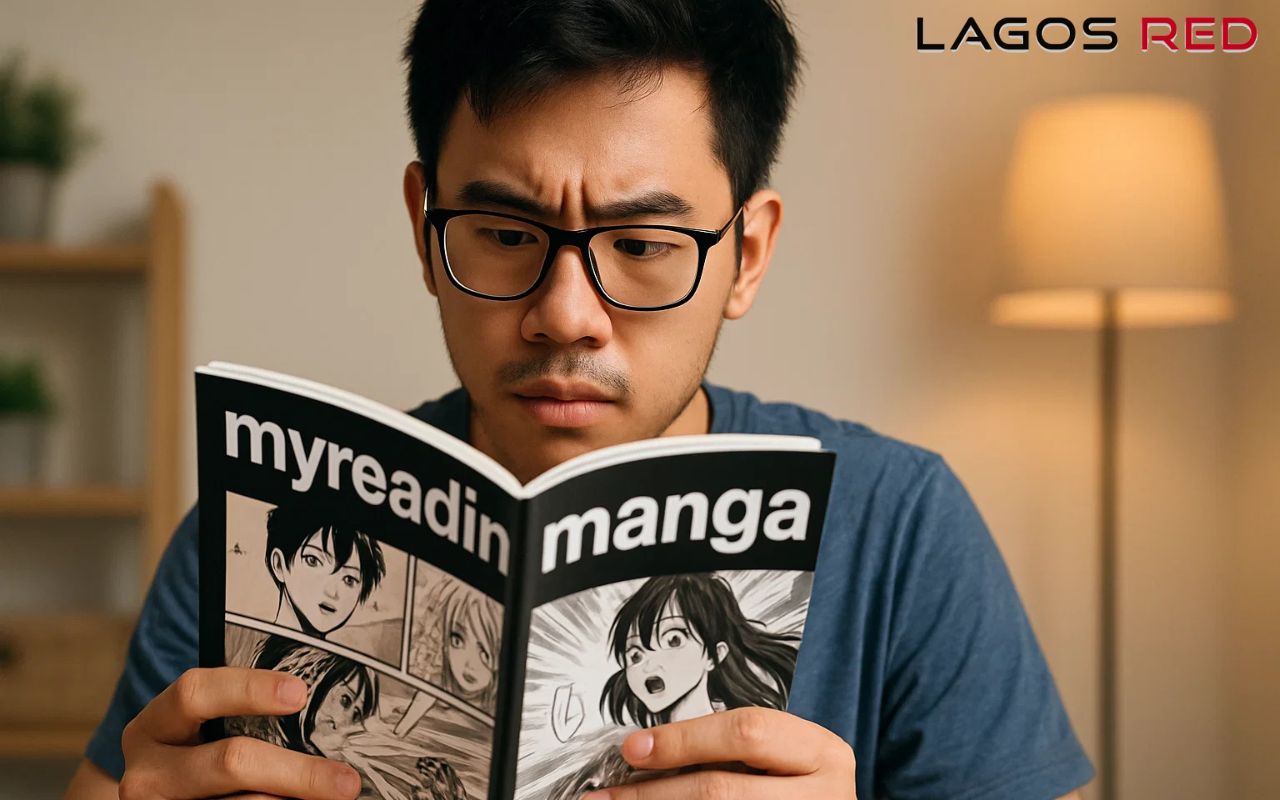
Before anyone jumps into a site like Myreadignamga, it helps to understand what it really is, how it works, why it became popular, and what risks or issues readers often talk about. Over the years, I’ve seen many manga fans explore platforms that offer quick access to translated chapters, especially in regions where official releases are limited. Myreadignamga became one of those places—known for its massive library, user-generated uploads, and community-driven translations. But with that convenience comes confusion, mixed opinions, and important things readers should know.
In my experience, most people don’t even realize how these platforms operate behind the scenes. They simply see manga available for free and assume everything is harmless. But once you look deeper, you understand the technical issues, the legal gray zones, and the constant challenges these types of sites face. This article explains all of this in detail, using simple English and giving you the clearest possible view of the platform as it exists today.
Let’s break down the entire topic step-by-step so you fully understand Myreadignamga—its nature, its limitations, and the concerns many people raise across the internet.
What Myreadignamga Actually Is
Myreadignamgais widely known as a user-uploaded manga platform where fans share “scanlations”—scanned pages combined with unofficial translations. It built popularity because it offered content that wasn’t available in many countries, especially niche or mature genres. Over time, the site turned into a huge community space, with thousands of uploads from different contributors. For many users, this easy access was the biggest reason the platform spread so quickly.
However, what many readers don’t realize is that scanlations are not the same as licensed translations. They are created and shared without the permission of the publishers or authors. This is why Myreadignamga is often described as operating in a “legal gray zone.” While some fans see it as a community archive, publishers see it as unlicensed distribution of their intellectual property. This misunderstanding has always been at the core of debates around the site.
Another important thing about Myreadignamga is its structure. The site does not curate content professionally—users upload, tag, and organize chapters themselves. Because of this, the quality varies a lot. Some uploads are clean and high-resolution, while others are low-quality scans. That variation is part of the platform’s identity, but also a reason many users get frustrated.
Why the Platform Became So Popular
One major reason Myreadignamga exploded in popularity was accessibility. People from different countries discovered manga genres they couldn’t buy locally. When official translations didn’t exist, fan groups filled the gap. This pulled millions of readers toward the site because it felt like a place where nothing was restricted. For someone who discovered manga during the early 2010s, it was like stumbling upon a giant library.
Another factor in its rise was community participation. Uploaders, translators, and readers interacted constantly. This sense of a “shared fan space” gave the platform a warm, grassroots feel. Fans supported one another, posted recommendations, and organized scans of rare content. For people who were new to these genres, this community-style environment made them feel welcome and understood.
Finally, the platform offered convenience. No subscriptions, no region locks, no delays. Readers could search tags, follow artists, and jump into thousands of titles instantly. It created an experience that official platforms struggled to match at the time. But convenience always comes with a trade-off—and in this case, the trade-off was legality, stability, and safety.
The Legal and Ethical Concerns
When you look deeper, the biggest concern around Myreadignamga is copyright. The manga hosted on the site is usually uploaded without permission from creators or publishers. This is why industry professionals and digital ethics groups classify the platform as unlicensed. As a fan, you may not feel the impact directly, but the creator absolutely does—lost revenue, lost licensing opportunities, and lost control over their own work.
Another ethical issue is that scanlation groups rarely receive official approval. Even if they work hard, their translations fall outside legal publishing standards. Some scanlation groups even disband when publishers release official versions because they want fans to support the real work. The community often debates whether reading scanlations harms or helps the manga industry, but the truth is simple: publishers prefer readers to choose official sources because it supports the creators financially.
Finally, there’s the question of distribution rights. Every page of manga is protected under copyright law. When people upload scanned copies to a public website, the entire platform enters risky territory. Many scanlation sites have been taken down or blocked over the years because of these legal pressures, and Myreadignamga faces these risks constantly.
Recent Issues and Technical Problems
If you’ve ever visited Myreadignamga lately, you’ve probably noticed the instability. Users frequently report loading failures, broken image links, and entire sections of the site going down for hours. Sometimes the problem comes from server overload, sometimes from domain issues, and sometimes from external pressure such as DMCA takedown requests. Whatever the cause, stability remains the platform’s biggest weakness.
Another ongoing issue is the site’s verification loops. Readers often complain that they are forced to reload pages repeatedly because images fail to appear. These problems can make reading difficult, especially for long chapters that rely on consistent page rendering. I’ve personally seen days when the site loads smoothly and other days when it feels completely unusable.
A third problem is domain switching. The platform sometimes moves to new domain extensions because older ones become suspended, blocked, or restricted. This is common among unlicensed manga sites. While the platform continues operating, these technical disruptions create a sense of uncertainty for users who rely on the site regularly.
User Safety and Security Concerns
Another thing readers must understand is the risk level. Platforms like Myreadignamga rely heavily on third-party advertising. These ads may not always be screened for safety. This is why users report pop-ups, redirects, and suspicious links. Even though many readers use the site safely, the potential for malware or phishing attempts exists—especially if you’re browsing without an ad blocker.
Privacy is another concern. Unlicensed websites rarely use strong data protection practices. This means user IP addresses, browsing activity, and device details could be exposed. While this may not impact every reader, it’s a real risk worth acknowledging.
Finally, the site offers no official customer support. If something goes wrong—whether it’s a broken link, a hacked ad script, or a compromised browser—you’re essentially on your own. This lack of structured oversight increases the importance of browsing safely and staying aware of online risks.
Why Many People Still Visit the Site
Despite all the issues, Myreadignamga continues attracting millions of visitors. This happens for three main reasons:
-
Access to rare or niche content.
Many genres or titles never receive official translations. -
A strong online community.
Fans feel understood, welcomed, and connected through shared content. -
Free availability.
For some readers, paid platforms feel inaccessible, especially in countries with weak currency or limited banking options.
These reasons keep the platform alive even when it faces takedowns or outages. For readers, the site remains a way to discover content they cannot find elsewhere. But the reality is that popularity does not erase risk—it only explains it.
The Future of Sites Like Myreadignamga
Looking at trends from 2024 and 2025, it’s clear that many unlicensed manga sites face increasing pressure. More publishers are pushing for digital rights enforcement. Governments in multiple countries are tightening copyright laws. And cybersecurity risks continue to rise across all platforms with user-generated content. Myreadignamga may continue operating, but instability will likely persist.
On the other hand, official manga platforms are expanding their digital libraries and launching global apps. This shift gives readers more legal ways to support artists while still enjoying fast access to new content. If official services continue improving, the dependency on unlicensed sites may gradually decrease.
That said, fan-driven spaces will always exist because they fill cultural and regional gaps. As long as readers seek content that isn’t available locally, platforms like Myreadignamga will remain part of the online manga ecosystem—even if they operate quietly, move domains often, or adjust the way content is shared.
Read More: thejavasea.me Leaks AIO-TLP370: A Deep, Human-Style Guide for Everyday Users
Final Thoughts
Understanding Myreadignamga requires more than just looking at its homepage. You need to recognize how it functions, why readers use it, and what risks surround it. The platform grew because it filled a very real gap in the manga world—accessibility. But with that accessibility comes instability, legal complications, and user-safety concerns. Whether someone uses the site or chooses official sources, being informed helps them make smarter decisions.
The world of manga is expanding quickly, and readers today have more options than ever before. Knowing how platforms like Myreadignamga work simply gives you a clearer, more realistic picture of the landscape—so you can explore responsibly.